 By
By
IPv4 is more expensive due to the limited number of addresses available. The 4.3 billion address limit has been reached, but high demand persists. While IPv6 is a possible solution, many are reluctant to transition.
Despite the depletion of IPv4 addresses, they are still available via a secondary market where IPv4 blocks are leased or traded. This scenario has led to one where IPv4 is more expensive despite newer IPv6 addresses being available.
Table of Contents
- IPv4 Addresses Are Limited
- Increased Demand on Limited Supply
- Willing Buyer, Willing Seller
- Final Thoughts
1. IPv4 Addresses Are Limited
To get the biggest reason out of the way first, the primary reason IPv4 is more expensive is their limited supply. IPv4 operates on a 32-bit addressing system, sufficient space for around 4.3 billion unique IPv4 addresses. There is no way to exceed that number.
While this seemed sufficient during the early days of the internet, the rapid expansion of connected devices and global internet adoption quickly exhausted this finite pool. In fact, we ran out of IPv4 addresses more than a decade ago.
a. Massive Early Handouts
The early Internet era saw large IPv4 blocks allocated inefficiently. Organizations and universities often received far more addresses than they needed at the time. It was a time of “you want, you get—for free!”
For example, some companies still hold “Class A” IPv4 blocks. These have over 16 million IPv4 addresses, many of which are underutilized. The smarter companies sell off these blocks, while the others simply sit on them “just in case.”
Many of these companies you’d likely have heard of. For example:
- AT&T
- Apple
- Mercedes-Benz
b. IPv6 Gets a Lukewarm Welcome
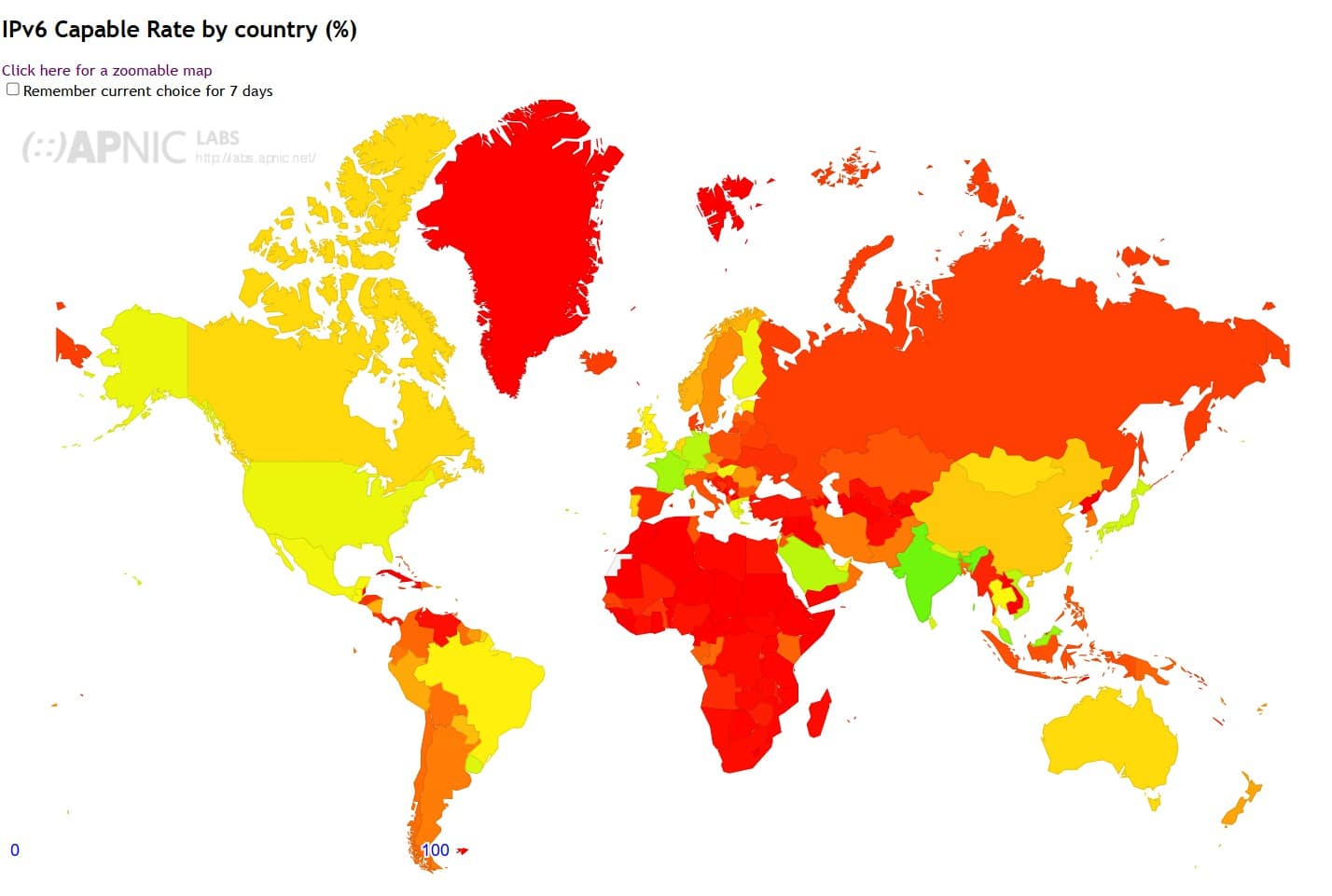
IPv6, with its nearly infinite addressing capacity, was designed to replace IPv4. While the concept is excellent, adoption has been slow. There are many compatibility challenges and a generally steep cost of upgrading infrastructure.
Many systems and applications still rely on IPv4, forcing organizations to maintain dual-stack networks that support both protocols. As a result, IPv4 remains essential, and its scarcity continues to drive demand and prices upward.
2. Increased Demand on Limited Supply
Even as we dither about IPv6 addressing, the global network is growing faster than ever. That means we’re still facing an increasing demand for IPv4 addresses. This brings in the law of economics:
High demand + Low supply = Escalating costs
As internet connectivity expands globally and new technologies emerge, the need for IPv4 addresses continues to skyrocket. And it’s not just the tech industry anymore, almost all industries are connected nowadays.
a. Internet of Things: A New Culprit
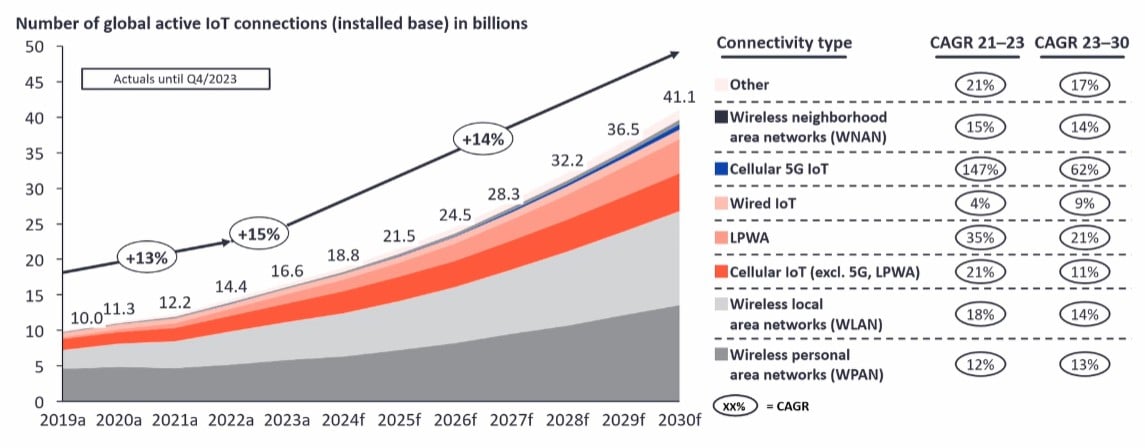
In the past, we had to deal with computers, networking equipment, and other mainstream connected devices. Today, we have something new: the Internet of Things (IoT). That refers to “everything else,” including anything from your smart fridge to a WiFi-connected lightbulb.
The proliferation of devices requiring internet access is a crucial reason IPv4 is more expensive. Every connected device needs an IP address, and while many can use IPv6, reliance on IPv4 networks keeps demand high.
b. Emerging Economies and Global Expansion
Developing countries and regions with growing internet penetration rates also drive IPv4 demand. As businesses and households in these areas get online, service providers need IPv4 addresses to connect them.
Many of these regions have older infrastructure and are not yet ready to transition to IPv6, further straining the IPv4 pool.
For example, Internet Service Providers (ISPs) in rapidly expanding markets like Africa and Southeast Asia often rely on acquiring IPv4 blocks to meet user demands.
c. Enterprise and Cloud Computing
Another major factor is the business sector’s reliance on IPv4. Enterprises, particularly those offering web hosting, cloud services, or VPNs, require IPv4 addresses to ensure compatibility with older systems and global networks.
For these companies, having sufficient IPv4 addresses is crucial to maintaining customer satisfaction and operational efficiency. For example, the average cloud hosting provider may need thousands of IPv4 addresses to allocate to client servers.
d. It’s a Mobile World
Everbody and their pet dog has a smartphone today. Therefore, mobile networks also contribute to the surge in IPv4 demand. Each device connected to a mobile carrier’s network needs an IP address.
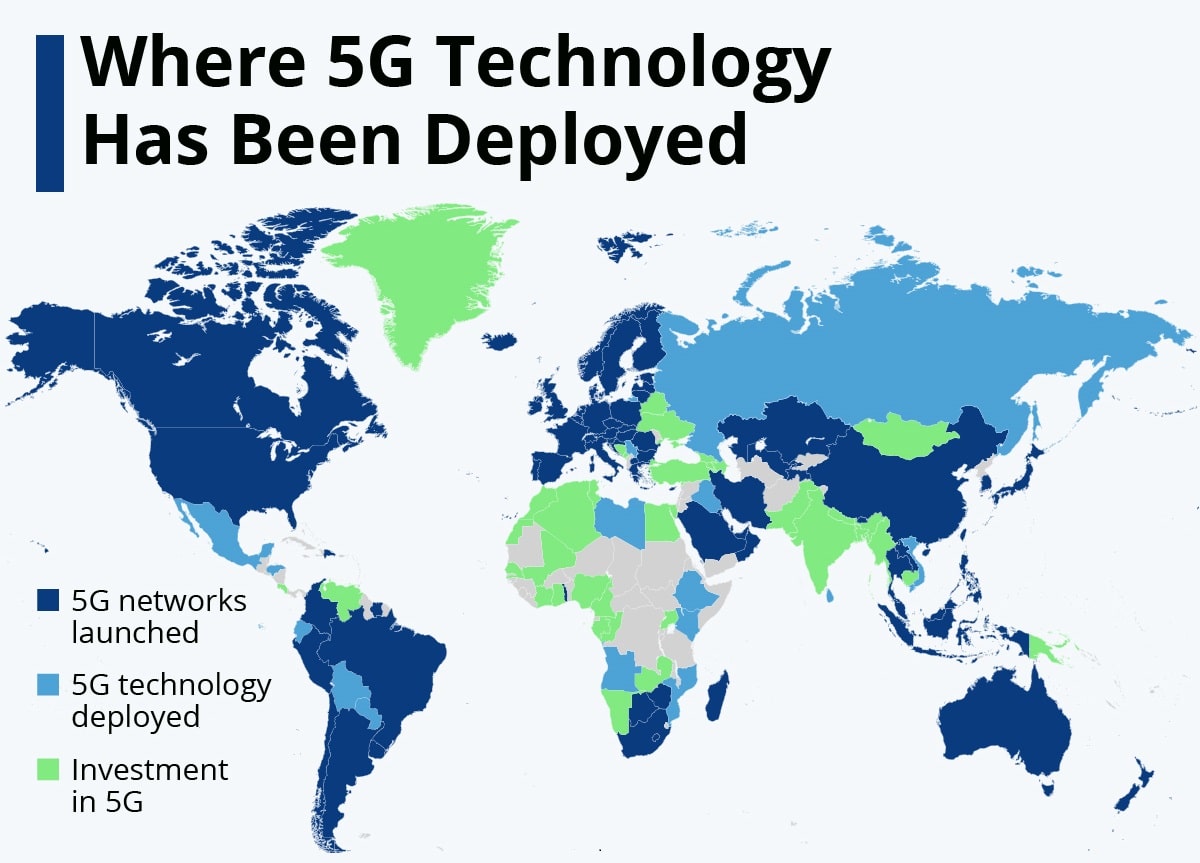
While mobile carriers increasingly use technologies like Carrier-Grade NAT (CGNAT) to share IPv4 addresses among users, these solutions are not sustainable in the long term and add complexity. Even a telco launching 5G needs IPv4 addresses to ensure connectivity for older devices.
Worried about IPv4 scarcity?
With RapidSeedbox, you get reliable, scalable IP leasing solutions. Access high-quality IPv4 addresses without breaking the bank. Start leasing today and stay ahead of the competition.
3. Willing Buyer, Willing Seller
IPv4 addresses were originally allocated to Regional Internet Registries (RIRs) like ARIN and distributed as required. However, that well has long run dry. Yet, you can still get IPv4 addresses from several sources today.
a. IPv4 Address Leasing
Leasing IPv4 addresses has become a popular alternative to outright purchasing. Companies with surplus IPv4 blocks lease them to others, creating a recurring revenue stream. This appeals to businesses that need temporary access to IPv4 addresses.
Temporary access doesn’t necessarily mean during a transit period. It could also refer to some companies with transient requirements, such as for virtual machines and other such use cases.
Among the various sources of IPv4 addresses today, leasing is perhaps the “cleanest” source. Leasing allows large and small businesses to get any number of IP addresses for the time necessary.
b. IPv4 Auctions
The average cost for a single IPv4 address was approximately $60, a significant jump from previous years. Auctions also play a role, where large blocks of IPv4 addresses are sold to the highest bidder.
These auctions often involve tech giants, cloud providers, and ISPs, driving prices higher for smaller organizations. For example, two /15 blocks (131,072 IPs each) were sold for $7.47 million in August 2022.
c. Speculation and Hoarding
Did I mention that some holders of large IPv4 address blocks simply sat on them when handed out? Well, that led to speculation, another factor in making IPv4 more expensive.
Even today, some entities purchase large quantities of IPv4 addresses, intending to hold them until prices rise further. This hoarding reduces the availability of IPv4 addresses on the market, artificially inflating prices.
d. Brokers and Market Facilitation
If buyers and sellers aren’t enough, we also have a market of brokers (middlemen) who help facilitate such deals. These guys connect sellers and buyers, conveniently adding another layer of fees in the process.
Imagine if the broker takes a 10% cut; that percentage drives up the overall cost of the sale. This combined amount further pushed up perceived cost of IPv4 addresses. And what happens when brokers collaborate on deals? The percentage creeps up even futher.
4. Final Thoughts
And there we have it. IPv4 is more expensive due to its finite nature, rising demand, and a competitive secondary market. There’s nothing surprising about the matter; it’s just an issue of supply and demand.
Emerging markets, legacy systems, and global connectivity needs have all contributed to IPv4’s persistence. The secondary market, fueled by auctions, brokers, and leasing arrangements, has further made IPv4 a scarce and costly resource.
The problem is that IPv4 doesn’t look like it’s going away anytime soon. Until then, we have to wait and see how far prices will rise before the situation becomes untenable for doing business.
Need affordable IPv4?
RapidSeedbox offers cost-effective IP leasing to meet your needs. Avoid high upfront costs with flexible leasing options tailored for businesses. Secure your IPv4 addresses today and keep your operations running smoothly.
0Comments