 By
By
“In a world where everything’s streamed, some of us still like to own our stuff.”
Ever go looking for an old movie or file, only to realize it’s gone—or never available in your country?
That’s why a lot of people still use torrents today. It’s fast, flexible, and gives you access to stuff you can’t find anywhere else.
Torrenting isn’t just about piracy. When done right, it’s legal and safe. Oh, and pretty smart too!

In this guide, I’ll break down how it works, why it’s still popular, how to do it safely and responsibly, and how to get started without getting into trouble.
Table of Contents
- Why I Still Torrent in 2026 (And Why Others Do Too)
- How I Use Torrents: Clients, Peers & That BitTorrent Magic
- Speed, Access, and a Bit of Freedom.
- How I Stay Safe and Legal While Torrenting
- How to Start Torrenting Responsibly (Step-by-Step)
- Final Thoughts.
Disclaimer: This article is for educational purposes only. Torrenting is a legal technology, but downloading or sharing copyrighted material without permission may be illegal in your country. Always comply with local laws and use torrenting responsibly.
1. Why I Still Torrent in 2026 (And Why Others Do Too)
Let’s be real—streaming’s everywhere now. But I still use torrents, and I’m not alone.
Torrenting works by breaking files into little chunks and sharing them between people. So instead of pulling everything from one server, you’re getting pieces from lots of people at once. That usually means faster downloads and fewer hiccups.
Surprisingly, even with Netflix, Spotify, and a million cloud services, torrenting hasn’t died… Why?
Maybe because it gives you more control and lets you grab stuff you can’t find anywhere else.
Yeah, it’s got a shady rep thanks to piracy, but the tech itself is totally legal (learn more in Torrenting is not Illegal). People use it to share anything, from open-source apps to old-school movies. But in the end, it all comes down to how you use it.
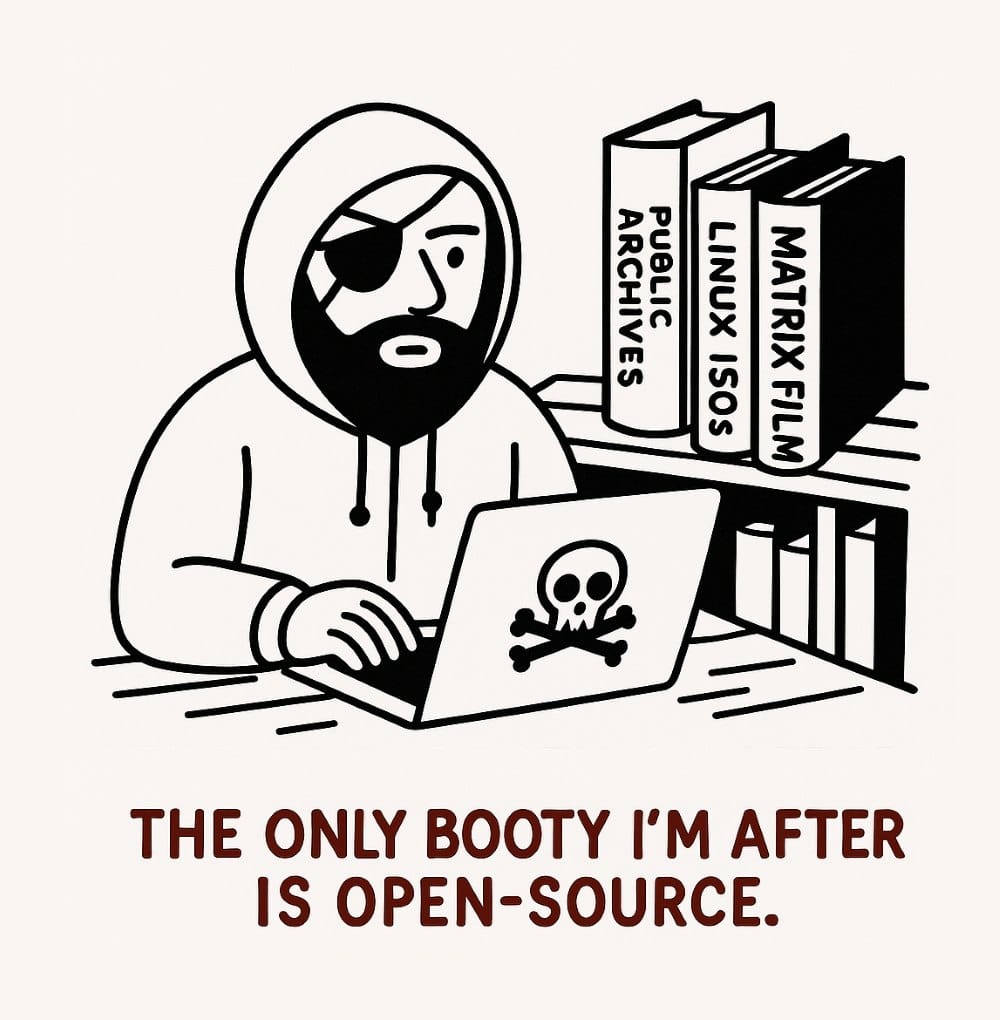
2. How I Use Torrents: Clients, Peers & That BitTorrent Magic
Here’s the deal: torrenting splits a file into tiny pieces and spreads them out across many people (Learn more in: What is Torrenting and how does it work).
So, how do I use it? I use a torrent client (like qBittorrent) to grab a magnet link, which connects me to the “swarm”—aka, everyone sharing that file. I download pieces from others and upload what I’ve got at the same time.
Some quick lingo:
- Peers are anyone in the mix.
- Seeders already have the full file and are sharing it. (Seeders and seeding). Leechers are still downloading. (leechers)
- Trackers help everyone find each other. (Trackers)

More seeders = faster downloads. And even if someone dips out, others keep it going.
| 🐧 Fun fact: The first file ever shared via torrent? A Linux ISO—not a movie. Geeks started it all. |
3. Why? Speed, Access, and a Bit of Freedom
Ever tried downloading a massive game or a 4K movie and your browser just… quit? Yeah, torrenting fixes that. Since files come from multiple sources at once, downloads can be way faster, and you can pause and resume without losing progress.
Looking for something rare or region-blocked?
Torrents are perfect for finding old books or rare movies no longer sold. Plus, they give you access to public domain archives or private communities. They also let you bypass country restrictions and even offer legit open-source software like Linux distros. Sure, some people use torrents for sketchy ‘illegal’ stuff, but a lot of us just want access to things we literally can’t get any other way.
Why torrenting feels like owning, not renting?
While streaming is convenient, torrenting feels more like ownership. Unlike streaming platforms (which scream rentals) , torrents let you keep the file, so even if you’re offline, it’s still accessible. If the source gets taken down or the quality drops, you don’t have to worry—you’ve already got the full version.
🧨 Still Torrenting the Hard Way?
Stop baby-sitting your downloads. This flips the entire experience on its head.
Level It Up →4. How I Stay Safe and Legal While Torrenting
Is torrenting legal? Technically, yes. Just downloading a file through a torrent isn’t a crime. The problem comes when that file’s copyrighted and you don’t have permission to download it. Depending on where you live, you could get anything from a slap on the wrist, like an ISP warning or slower speeds, to an actual legal notice in your inbox.
Why I Always Use a VPN or Seedbox
When I torrent, my IP address is visible to every other person on the swarm (sharing that file). That’s like shouting your home address in a crowded mall—you likely wouldn’t do that. So I use either a VPN or Seedbox:
- I use a VPN for torrenting. It hides my real IP and scrambles my data so my internet provider can’t snoop in. And of course, it keeps those nasty copyright trolls out of my business.
- Alternatively, a seedbox does something similar. It’s a remote torrenting powerhouse; a server that downloads torrents for me and stores the files in the cloud. In both cases, my home internet never touches the swarm, which keeps things a lot more private.
If you’re picking a VPN or seedbox, make sure it doesn’t keep logs and supports peer-to-peer (P2P) traffic. The kill switch feature in VPNs is also very handy, in case your internet connection cuts off. Trust me, that last one matters.
How I Avoid Malware and Fake Files
Not all torrents are created equal. Public ones aren’t checked, and it can get sketchy really fast. To keep my system clean, I stick with trusted sites or private trackers, run everything through antivirus software, and avoid any torrent that tells me to run weird .exe or .zip files. I also take a minute to read comments and double-check the file type, because if something smells off, it usually is. Killer combo? Go ahead and learn about the best seedboxes with built-in VPNs… that is a real killer combo for torrenting without worries.
5. How to Start Torrenting Responsibly (Step-by-Step)
Getting into torrenting isn’t hard—it just takes a bit of setup and some common sense. Here’s exactly how I got started, and how you can too, without running into trouble.
Step 1: Choose the Right Software
First things first—I had to pick the right tools. For my torrent client, I went with qBittorrent. It’s free, open-source, and doesn’t throw ads in your face. Then I added a seedbox to the mix. I use RapidSeedbox. I liked the balance of speed and privacy they gave me. Last but not least, I made sure my antivirus was always on and up to date. Because let’s face it, sketchy files do exist.
Step 2: Find Reputable Sources
Once I have the setup ready, I go to good and safe places to download from. I stuck with legal and trusted sources like Ubuntu.com for Linux ISOs and Archive.org for public domain content (those are real goldmines). Open-source communities are also great for legit files. I try to always steer away from public torrent sites like 1337x or YTS. But if you have to go there, for whatever reason, I always recommend you avoid flashy “Download Now” buttons and only use sites with active moderators and user comments. Learn more here: Top 15 torrent sites that still work.
Step 3: Check Torrent Health
Before I downloaded anything, I always checked the torrent’s health. A good torrent has plenty of seeders, which means faster downloads. I also looked for clear file names—none of that “Final.Movie.2026.v2.NEW” nonsense—and I always read the comments. Verified uploads or positive feedback gave me the green light.
Step 4: Use Torrent Client Settings Wisely
Digging into the settings always makes a big difference. I enabled encryption to reduce the chances of my ISP slowing me down. Sometimes I would also limit my upload rate to keep my internet from crawling. But obviously, once I use my seedbox, I can forget about tweaking upload or download speeds. And only when I felt extra careful, I’d tweak advanced options like IP filtering or proxy settings. Not necessary for everyone, but worth knowing about.
Step 5: Seed Ethically
I try to stick to one golden rule: upload as much as I download. That 1:1 ratio helps keep torrents alive. Without seeders, nobody gets the file. It’s kind of like passing the ball after you’ve had your turn—you’re helping the whole system work. Plus, if you are in private communities, good ratios will keep you alive. Learn how to maintain a healthy ratio with these tips.
| 🌱 Fun fact: “Seeding” got its name from gardening—you’re planting data that helps others grow their downloads. |
6. Final Thoughts: Why is Torrenting Used?
For me, torrenting is still a go-to because it gives something modern platforms don’t: real control. I’m not locked into one app or streaming service—I can choose what, when, and how I download. And the perks? Speed, access to rare stuff, more variety, and total freedom from gatekeepers.
But that freedom comes with a catch—it only works if we use it responsibly. I always stay on the right side of the law, use a VPN or seedbox to protect my privacy, and avoid sketchy or unverified files. And when I can, I always support the creators behind the work.
So, if I’m preserving old-school media or just moving big files fast, torrenting still feels like a superpower—as long as I use it wisely.
🔍 Hidden Torrenting Hack
There’s one trick most torrent pros never talk about—but it changes everything.
See it Now! →
0Comments