 By
By
IPv4 addresses can be tracked, and IP address tracking is widespread for legal and illegal reasons. The foremost reason for this is that every device connected to the Internet must have an IP address, which acts as its unique identifier.
Tracking your IPv4 shows more than a simple string of digits. It can offer trackers revealing information such as your general location, the internet service provider (ISP) you’re using, and even hints about your browsing habits.
Table of Contents
- How Are IPv4 Addresses Tracked?
- Who Tracks IP Addresses and Why?
- How to Prevent IP Address Tracking
- Is IP Address Tracking Legal?
- Final Thoughts
1. How Are IPv4 Addresses Tracked?
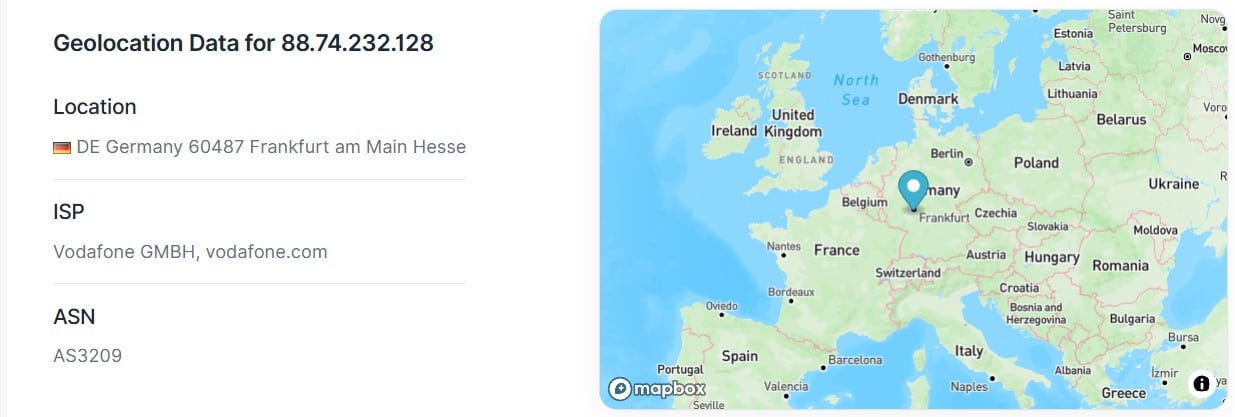
Tracking an IPv4 address means determining where a device is located or who is using it based on its IP address. To understand how IPv4 addresses can be tracked, let’s start with what they are.
a. What is An IP Address?
An IPv4 address is a specific IP address type comprising four sets of numbers separated by periods, like 192.168.1.1. Whether it’s your smartphone, computer, or even a smart home device – anything connected to a network must have an IP address.
These digits act as the device’s “home address,” letting other devices and servers know where to send information.
Tip: To see how this works, try the RapidSeedbox IP address tool, which can provide information based on your IP address.
b. How IPv4 Tracking Works
IPv4 addresses can be tracked to a certain extent, mainly to show an approximate location and the ISP. However, more detailed information, such as identifying an individual user, requires further steps and legal clearance. This also applies to IPv6 addresses to some extent.
Many methods can be used for IP address tracking, for example:
- Web Server Logs: Most web servers log visitor data, capturing details such as the IP address, timestamp, URL accessed, and browser type.
- Cookies and Analytics Tools: Tools like Google Analytics can track IP addresses and cookies to understand repeat visitors, their locations, and browsing patterns.
- Geolocation Services: Some websites, apps, and services map IP addresses to approximate geographic locations.
- Network Packet Inspection: IP addresses are extracted from the headers of data packets as they travel over networks.
- Reverse DNS Lookup: This method involves taking an IP address and looking up the associated domain name through the Domain Name System (DNS).
- Email Tracking: Email tracking services can use email header information to detect an email’s origin or track where an email is opened.
- Browser Fingerprinting: Captures detailed information about a user’s device, web browser, and IP, which can uniquely identify repeat visits from the same user.
c. What IP Addresses Reveal (and Don’t)
An IPv4 address can reveal several types of information, although it doesn’t typically provide a precise or complete picture of a user’s identity.
Here’s what an IPv4 address can reveal:
- Your ISP
- General geographic location
- Network type and organization
- Proxy or VPN use (Possible, but not always)
- Device IP history and related activity
IPv4 addresses don’t reveal:
- Exact physical addresses
- Precise device information
- Personal identifiers (like name, email address, etc.)
2. Who Tracks IP Addresses and Why?
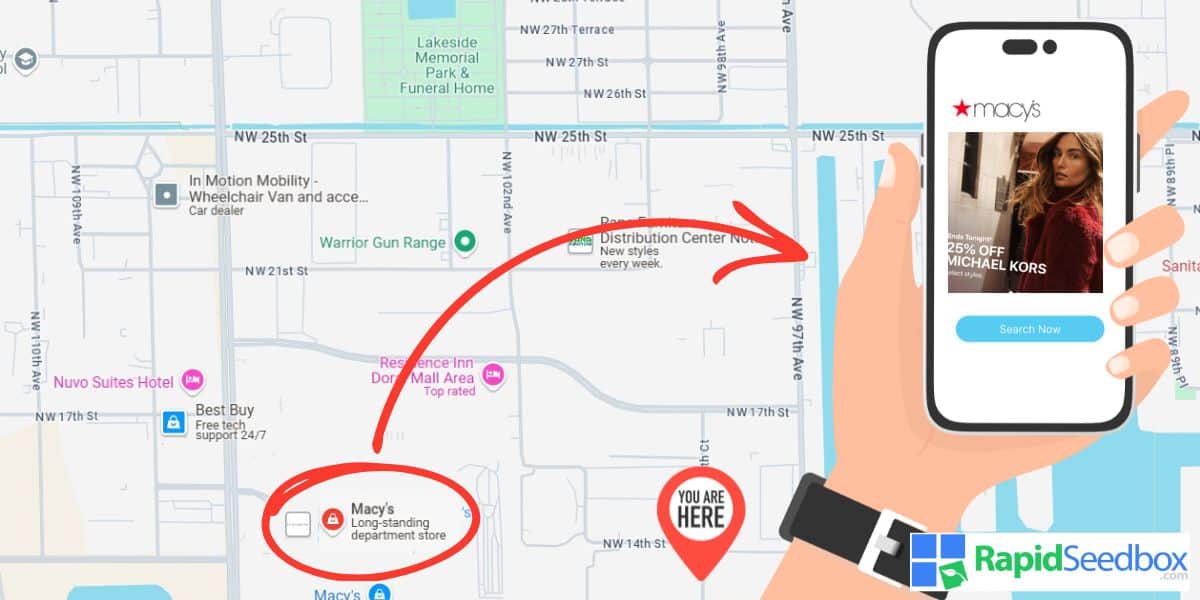
IP address tracking may sound niche, but it’s common online. Due to the value of the data that can be harvested, businesses and cybercriminals carry out IP tracking activities. The result is a massive privacy headache for netizens.
Let’s consider some of those with a vested interest in IP address tracking;
a. Internet Service Providers
ISPs track IP addresses to manage their networks, troubleshoot technical issues, and comply with legal requirements. In some countries, ISPs are required by law to keep logs of IP address usage for a certain period.
If there’s a legal investigation, law enforcement agencies can request information from ISPs to identify users based on specific IP addresses.
b. Websites and Advertising Networks
Many websites and online services track IP addresses to understand users better and provide relevant content. The information they gain is helpful in different ways, depending on the nature of the website or service.
Websites often use IP tracking to deliver location-based content, like showing weather updates, news, or language options specific to your region. eCommerce sites may also use IPs to offer location-specific deals and pricing.
Advertising networks (like Google Ads) track IPs to target ads more effectively. By analyzing where users are located and their browsing behavior, advertisers can deliver ads more likely to be relevant to users, improving ad effectiveness.
c. Government and Law Enforcement Agencies
In many countries, government and law enforcement agencies track IP addresses. This is ostensibly done to maintain security and enforce the law. However, most people view this with skepticism.
IP addresses can help criminal investigators track suspects, link online activities to specific individuals, and find the origin of illegal content. Enforcement agencies may work with ISPs to obtain user information for particular IPs.
d. Cybersecurity Firms and IT Departments
In the fight against hacking, phishing, and other cyber threats, IP tracking helps identify and block malicious actors. If a specific IP is linked to suspicious activity, cybersecurity teams can take preventive measures, like blacklisting the IP or blocking access to networks.
Companies may use IP tracking to ensure employees follow security policies or identify unusual access attempts from unfamiliar locations, which could signal a potential security breach. They may also use visitor IP address data for business purposes.
e. Cybercriminals
Hackers may track IP addresses to perform a broad range of activities. For example,
- Distributed Denial of Service (DDoS) Attacks
- Scanning for open ports and other vulnerabilities
- Phishing and social engineering
- Mapping for targeted attacks
- IP spoofing and impersonation
- Extortion and blackmail
Secure Your Connectivity Beyond IPv4
As IPv4 addresses grow scarce, leasing IPv6 from RapidSeedbox is the smart way to maintain consistent online access. Avoid the issues of shared IPs and gain the reliability of dedicated addresses with our IP leasing service.
Break free from IPv4 limits now!
3. How to Prevent IP Address Tracking
| Method | Privacy | Security | Encryption | IP Change Frequency |
| VPN | Excellent | Very High | Yes | Varies |
| Proxy Server | Good | Average | No | Varies |
| Tor Network | Average | Average | Yes | Very High |
| Mobile Networks | Poor | Poor | No | Moderate |
If you’re concerned about your privacy online or want to avoid being tracked, hiding your IP address is one effective way to protect yourself. It can help shield your online identity, avoid targeted advertising, and prevent potential cyber threats.
Here are some common ways to achieve this:
a. Use a Virtual Private Network
A VPN is one of the most popular and reliable ways to hide your IP address. Connecting to a VPN creates an encrypted tunnel between your device and the internet, routing your traffic through a VPN server.
This masks your IP address with the IP of the VPN server, making it appear you’re browsing from a different location.
b. Use a Proxy Server
A proxy server works similarly to a VPN, hiding your IP address as an intermediary between your device and the internet. When you use a proxy, your internet requests go through the proxy server first, which then forwards the request to a website or service.
c. Use the Tor Network
The Onion Router (TOR) network is a free, open-source service. It helps protect your privacy by routing your internet traffic through multiple volunteer-operated servers before reaching the destination website.
Each time your data passes through a node, it’s encrypted, making it extremely difficult to trace back to your IP address. However, the process can be slow due to a lack of standardization in node capabilities.
d. Use Mobile Networks for Temporary IPs
Switching from your home WiFi to a mobile network can temporarily change your IP address. Most mobile networks assign dynamic IPs, which change every time you reconnect, making it more difficult for tracking to follow you consistently.
However, it’s essential to remember that this is a temporary solution and doesn’t provide the anonymity of a VPN, dedicated proxy server, or Tor. Mobile data connections are also often less stable or slower than WiFi connections.
4. Is IP Address Tracking Legal?
The legality of tracking an IP address varies depending on purpose, who is doing the tracking, and where it’s being done. However, a broad guideline would be that it’s generally allowed, except for illegal purposes.
However, there are some critical caveats to the legal use of IP address tracking:
a. Regulations and Privacy Protections
Governments worldwide have begun implementing regulations that protect individuals’ privacy online, and IP tracking is often part of these protections.
Here are a few regulations and privacy laws that affect IP tracking:
- General Data Protection Regulation: The GDPR protects residents of EU countries by governing the collection, storage, and use of information associated with IP addresses.
- California Consumer Privacy Act: In California, the CCPA provides consumers with rights to know what personal information (including IP addresses) is being collected, how it’s used, and to whom it’s shared.
- PIPEDA: Canada requires companies to obtain consent to collect IP address data. They must also clearly state why they’re collecting IPs, how they’ll use the data, and with whom they may share it.
- Lei Geral de Proteção de Dados: Brazil’s LGPD, inspired by GDPR, requires companies collecting IPs to adhere to strict data protection principles.
b. What Businesses Must Do When Tracking IP addresses
While IP tracking is generally legal when done responsibly, there are restrictions and guidelines that companies, individuals, and even law enforcement must follow:
- Companies and Advertisers: Companies must inform users about tracking practices, often in a privacy policy.
- Law Enforcement: They can track IP addresses during investigations but often need legal authorization to request user data from ISPs.
- Individuals: Tracking someone’s IP address without permission is typically illegal.
5. Final Thoughts
While IPs are essential for connecting devices online, they can also reveal information about your location, browsing habits, and, in some cases, your identity. Understanding who tracks IP addresses—and why—helps you make informed choices about your online privacy.
Taking a few precautions allows you to enjoy greater privacy and security in your online activities. Remember: it isn’t just cybercriminals who are tracking you. Legitimate businesses also want your data.
Stay Ahead of IPv4 Exhaustion
RapidSeedbox IPv6 leasing helps you bypass the roadblocks of IPv4 scarcity. Stay fully connected without interruptions and future-proof your business. We make dedicated IPv6 access easy and affordable.
0Comments